Which seating requests like patio or booth should a host honor on a busy waitlist?
Booth, patio, window, bar, high-top, quiet corner. Preferences are part of hospitality, but on a packed night they can wreck your flow. A framework for which to honor and how to quote them.
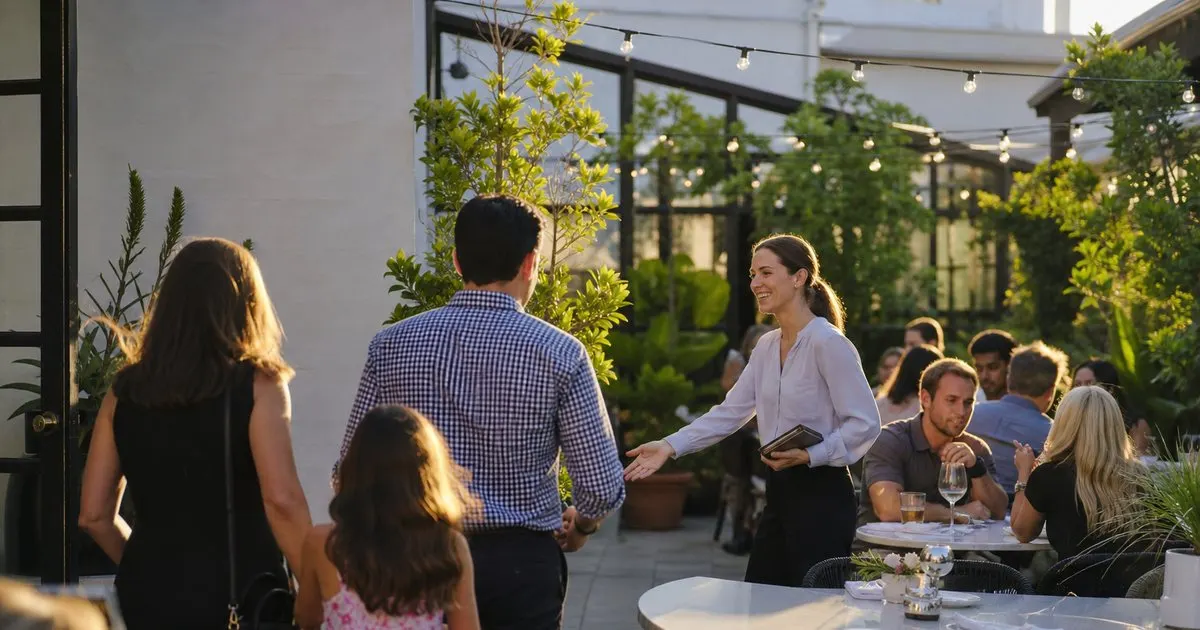
Separate needs from wants before you quote
Not every request is equal. A guest who needs a table that fits a wheelchair, a high chair, or a walker has a need, and the host should honor it regardless of the wait. A guest who would prefer a booth has a want. The stand should treat needs as constraints on which table is offered and wants as options that come with a cost. Saying that difference out loud, gently, is how a host keeps hospitality and fairness in the same conversation. Related: How do you quote accurate wait times so guests are not frustrated?
For wants, the honest move is to quote two waits: one for the next available table and one for the preferred kind. For example, the next table of any kind might be about twenty minutes while a booth is closer to forty, and the guest picks. Most guests choose quickly once they see the trade. The guests who pick the longer wait have made an informed choice, and they rarely complain about it later, because the decision was theirs. Related: How do you text guests the moment their table is ready reliably?
Keep reading: How do you text guests the moment their table is ready reliably?, How do you quote accurate wait times so guests are not frustrated?, How do you manage a restaurant waitlist during a packed weekend rush?. See how TablePingr helps you guest table-ready sms paging for restaurants.
Which preferences are cheap and which are expensive
The cost of a preference depends on how many tables of that type you have and how fast they turn. A request for a window table in a room with twelve windows is cheap; a request for one of two large booths on a Saturday is expensive, especially if it holds a party of four in a booth that could seat six. Patio requests are seasonal and weather dependent, and they carry the extra risk that a sudden change in weather sends everyone inside at once, so quote them a little longer than the raw math suggests.
Bar seating is the opposite: it is usually the cheapest preference to honor and a good tool for shortening waits. Guests who are happy to eat at the bar or at a high-top can often be seated immediately, which pulls a party off the list and speeds everyone else. A host should offer the bar proactively to twos and threes, especially early in the rush, rather than waiting for the guest to think of it. Related: How do you manage a restaurant waitlist during a packed weekend rush?
How to record and honor a preference without slowing the list
Record the preference at check-in as a tag or a short note, along with whether the guest would accept another table if it opens first. That second field is the one that matters at seating time. A party tagged booth preferred but willing to take anything can be seated at the first fit; a party tagged booth only waits for a booth. Having both categories saves the host from re-asking the question in front of a line when a table opens.
When a preferred table opens, the host should seat the earliest party with that preference, not the earliest party overall. This is where skip complaints come from, so when a party without the preference sees a later party get the booth, a single sentence at check-in about how preferences work helps. Waitlist tools that show a tag or a short note next to each party make this fast, because the host can scan the list for the preference in a glance, but a well-kept paper list with a column for preference does the same job on a slower night.
When to say no, and how to say it
On a fully packed night, there are moments when honoring a want is simply not possible without harming everyone else, such as a party of two asking for a six-top booth when a family of six is on the list. The host should decline warmly and offer the alternative: the booth cannot be held for two tonight, but there is a great two-top by the window in about ten minutes. Offering a specific alternative is what makes a no feel like hospitality rather than a refusal.
Be consistent. The host who honors a preference for one guest and refuses it for the next, with no difference in the situation, will be caught, because guests watch the room. Write down the two or three rules your restaurant uses, such as booths going to parties of four or more when the list is over a certain length, and make sure every host says the same thing. Consistency is what lets a host say no on a Saturday without getting into a debate. Related: Why should a restaurant ditch physical pager buzzers for guest text paging?
- Treat accessibility needs as constraints you always honor and comfort wants as options with a cost.
- Quote two waits, one for any table and one for the preferred type, and let the guest choose.
- Record whether a party will accept another table first, and seat the earliest party with the preference when that table opens.
- Decline expensive requests with a specific alternative, and keep the rules consistent across hosts.

Julien Jimenez
Julien Jimenez is an independent software builder based in Paris. He designs, ships, and operates focused SaaS products for small businesses and independent professionals. Read the full author page.
Text Guests The Moment Their Table Is Ready
Guest table-ready SMS paging for restaurants. TablePingr is built to help you put this into practice.
Start free trialMore from the TablePingr blog

How do you text guests the moment their table is ready reliably?
How do you quote accurate wait times so guests are not frustrated?
How do you manage a restaurant waitlist during a packed weekend rush?
Get the TablePingr playbook
Practical guides on host stand and waitlist, straight to your inbox as we publish them. No spam, unsubscribe any time.