How can waitlist and turn-time patterns help you seat more guests nightly?
Read the patterns in your waits and turns to sharpen your seating.
Historical data shows how long each table size really takes and when your rushes hit, so you can staff, quote, and pace seating to match. Spotting slow turns or bottlenecks lets you fix them, and sharper wait quotes keep guests from leaving. Small pattern-driven tweaks add up to more covers.
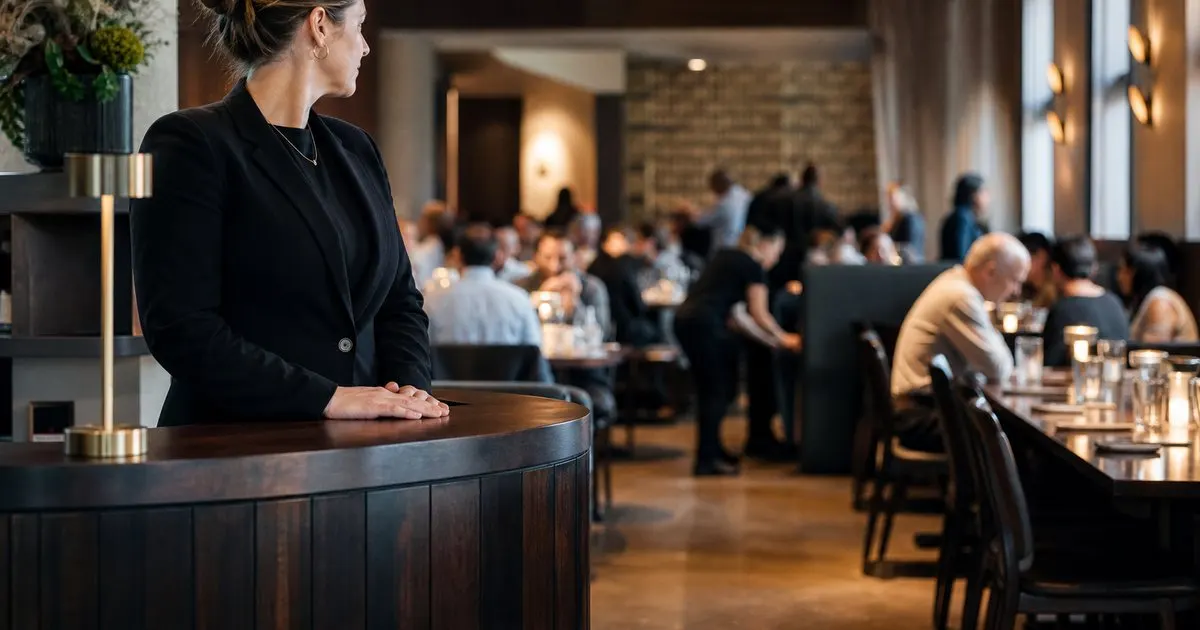
Patterns hide in the list
Every night's waitlist and turn times carry a pattern, like which nights peak and how long tables really hold. Those patterns guide better decisions. Related: How can text paging reduce no-shows and abandoned tables on the waitlist?
Reading them turns each service from a fresh scramble into a night you can partly anticipate. Related: How does a smooth host stand shape the whole guest experience each night?
Keep reading: How do you text guests the moment their table is ready reliably?, How do you quote accurate wait times so guests are not frustrated?, How do you manage a restaurant waitlist during a packed weekend rush?. See how TablePingr helps you guest table-ready sms paging for restaurants.
Know your real turn times
Guessing a turn time leads to bad quotes, but knowing your actual averages by table sharpens every estimate. Real numbers beat a hunch.
Understanding how long tables truly take lets you quote and seat with more confidence.
Staff to the peaks
If the data shows a predictable rush window, you can staff the host stand and floor to match. Being ready for the peak keeps turns fast. Related: How do you quote accurate wait times so guests are not frustrated?
Matching effort to the busy periods is where knowing your patterns pays off in seated guests.
Seat with intention
With turn and wait patterns in hand, seating becomes deliberate rather than reactive. You can anticipate openings and match them to the line.
Intentional seating, informed by real patterns, is how a room fits more guests without rushing anyone. Related: Why does seating guests too fast hurt the kitchen, and when should a host slow down?
- Waitlist patterns guide seating
- Know your real turn times
- Staff to the predictable peaks
- Seat with intention, not reaction

Julien Jimenez
Julien Jimenez is an independent software builder based in Paris. He designs, ships, and operates focused SaaS products for small businesses and independent professionals. Read the full author page.
Frequently asked questions
What waitlist metrics are worth tracking?
Average wait by party size, table turn times, quote accuracy, abandonment rate, and how those shift by day and hour. Together they show where seating slows and where guests give up.
How does turn-time data improve wait quotes?
Knowing how long each table size actually holds lets you predict openings instead of guessing. That precision makes quotes more accurate, which keeps guests waiting rather than walking out.
Text Guests The Moment Their Table Is Ready
Guest table-ready SMS paging for restaurants. TablePingr is built to help you put this into practice.
Start free trialMore from the TablePingr blog

How do you text guests the moment their table is ready reliably?

How do you quote accurate wait times so guests are not frustrated?

How do you manage a restaurant waitlist during a packed weekend rush?
Get the TablePingr playbook
Practical guides on host stand and waitlist, straight to your inbox as we publish them. No spam, unsubscribe any time.