Why does seating guests too fast hurt the kitchen, and when should a host slow down?
An empty table is not always a table to fill right now. How seating pace ripples through the kitchen and the servers, and how a host learns to hold for two minutes at the right moments.
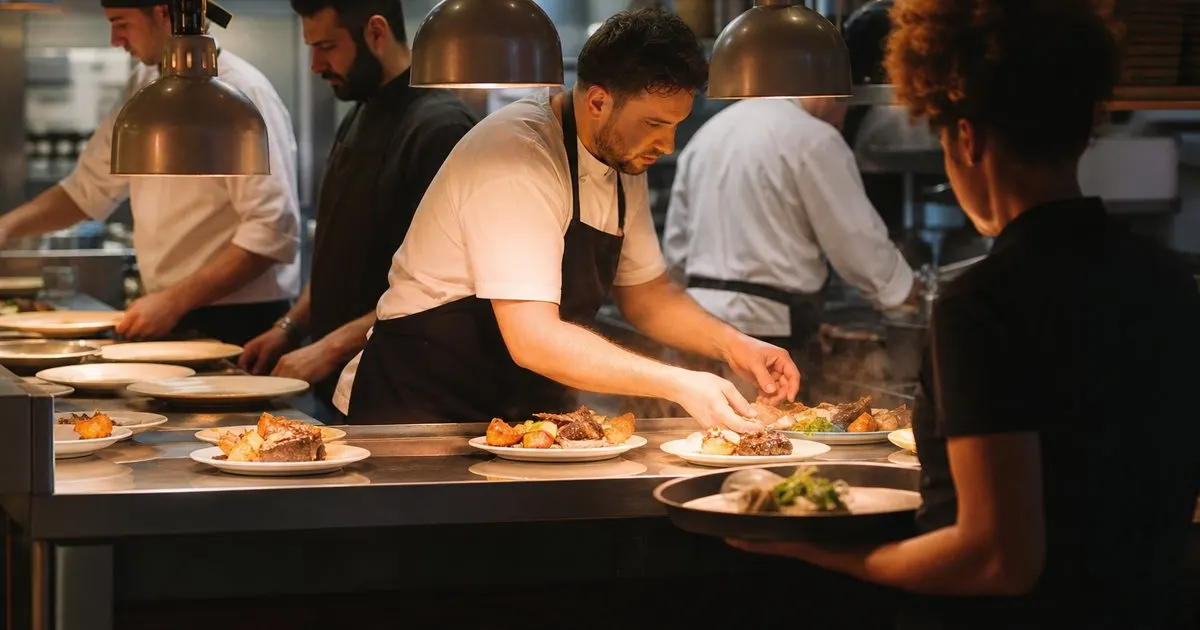
What happens in the kitchen when six tables sit at once
When a host seats a burst of parties within a couple of minutes, those tables all order within a narrow window a few minutes later, and every ticket lands on the line at once. The kitchen cannot cook twelve entrees in the time it cooks four. Tickets stack, times stretch, food quality slips as cooks rush, and a table that sat happily ten minutes ago is now staring at an empty table and a server who cannot give an honest answer. The host never sees this from the stand, which is why it keeps happening. Related: How do you quote accurate wait times so guests are not frustrated?
Servers feel it first. A server who receives three new tables in five minutes has to greet all three, take three drink orders, and then take three food orders, and the third table inevitably waits. The same three tables seated three minutes apart would each get a proper greeting and staggered orders that arrive at the pass in a rhythm the kitchen can handle. Pacing is the difference between a section that flows and one that drowns, using the exact same number of guests.
Keep reading: How do you text guests the moment their table is ready reliably?, How do you quote accurate wait times so guests are not frustrated?, How do you manage a restaurant waitlist during a packed weekend rush?. See how TablePingr helps you guest table-ready sms paging for restaurants.
The signals a host can watch without leaving the stand
A host does not need to see the line to know it is in trouble. Watch ticket times if your point of sale shows them, and listen to the pass: when a kitchen goes quiet and then erupts, it just got hit. Watch the servers: if two of them are hovering at the pass instead of on the floor, food is behind. Watch the bussers: a stack of dirty tables that nobody has cleared means the back of house is fully occupied elsewhere, and seating a clean table now only adds to the backlog.
Build a two-way channel with the kitchen. Some restaurants have the expo or the chef send a simple hold or go signal to the stand when the line is at capacity; others have the manager walk the pass every few minutes and relay it. A host who knows the kitchen has asked for a two-minute breather can seat one party, wait, and seat the next, without any guest noticing the difference. The stand and the pass are running the same night; they just need a way to talk. Related: Why should a restaurant ditch physical pager buzzers for guest text paging?
When holding a table is the right call
There are a few clear moments to slow down. Right after a large party is seated, because a table of ten will hit the kitchen like three tables at once. Right after a reservation block arrives on the hour, which is the most common way a kitchen gets buried. When two or more sections have just been seated back to back and the rotation would put a third new table on a server who is already greeting two. And any time the kitchen has explicitly asked for a breather. In each case, a hold of two to four minutes is usually enough to let the wave pass.
Holding does not mean the guest waits in silence. Seat them at the bar, take their drink order in the lobby if your setup allows it, or simply quote the wait a couple of minutes longer than the table math. Guests who wait three extra minutes and then have a smooth meal remember the meal. Guests who are seated instantly and then wait thirty-five minutes for an appetizer remember the wait, and they write about it. The host is managing the whole meal, not just the walk to the table. Related: How do you text guests the moment their table is ready reliably?
Pacing with a waitlist and text paging
A waitlist gives a host a natural throttle. Instead of seating every open table the instant it is reset, the host can page the next party, seat them, wait until they have ordered drinks, and then page the next. With text paging the interval is easy to control because the page and the seating are decoupled: the host decides when the message goes out, and the party arrives a few minutes later, which spreads arrivals naturally. A good tool shows how long ago each party was paged, which makes it easy to keep a steady cadence. Related: How do you manage a restaurant waitlist during a packed weekend rush?
The goal is a steady rate of new tables per server and per kitchen, not a fixed number. On a quiet night, seat immediately. On a heavy night, aim for a rhythm, such as no more than one new table per server every few minutes, and watch the pass for the signal to speed up or slow down. Over time a host develops a feel for it, and the payoff shows up in shorter ticket times, calmer servers, and a dining room that feels full without feeling frantic.
- A burst of simultaneous seatings sends every ticket to the kitchen at once and stretches every table's wait for food.
- Watch ticket times, the pass, and hovering servers as signals that the kitchen needs a breather.
- Hold two to four minutes after a large party, an on-the-hour reservation block, or a kitchen request.
- Use the waitlist and text paging as a throttle to stagger arrivals into a steady rhythm.

Julien Jimenez
Julien Jimenez is an independent software builder based in Paris. He designs, ships, and operates focused SaaS products for small businesses and independent professionals. Read the full author page.
Text Guests The Moment Their Table Is Ready
Guest table-ready SMS paging for restaurants. TablePingr is built to help you put this into practice.
Start free trialMore from the TablePingr blog

How do you text guests the moment their table is ready reliably?

How do you quote accurate wait times so guests are not frustrated?

How do you manage a restaurant waitlist during a packed weekend rush?
Get the TablePingr playbook
Practical guides on host stand and waitlist, straight to your inbox as we publish them. No spam, unsubscribe any time.